

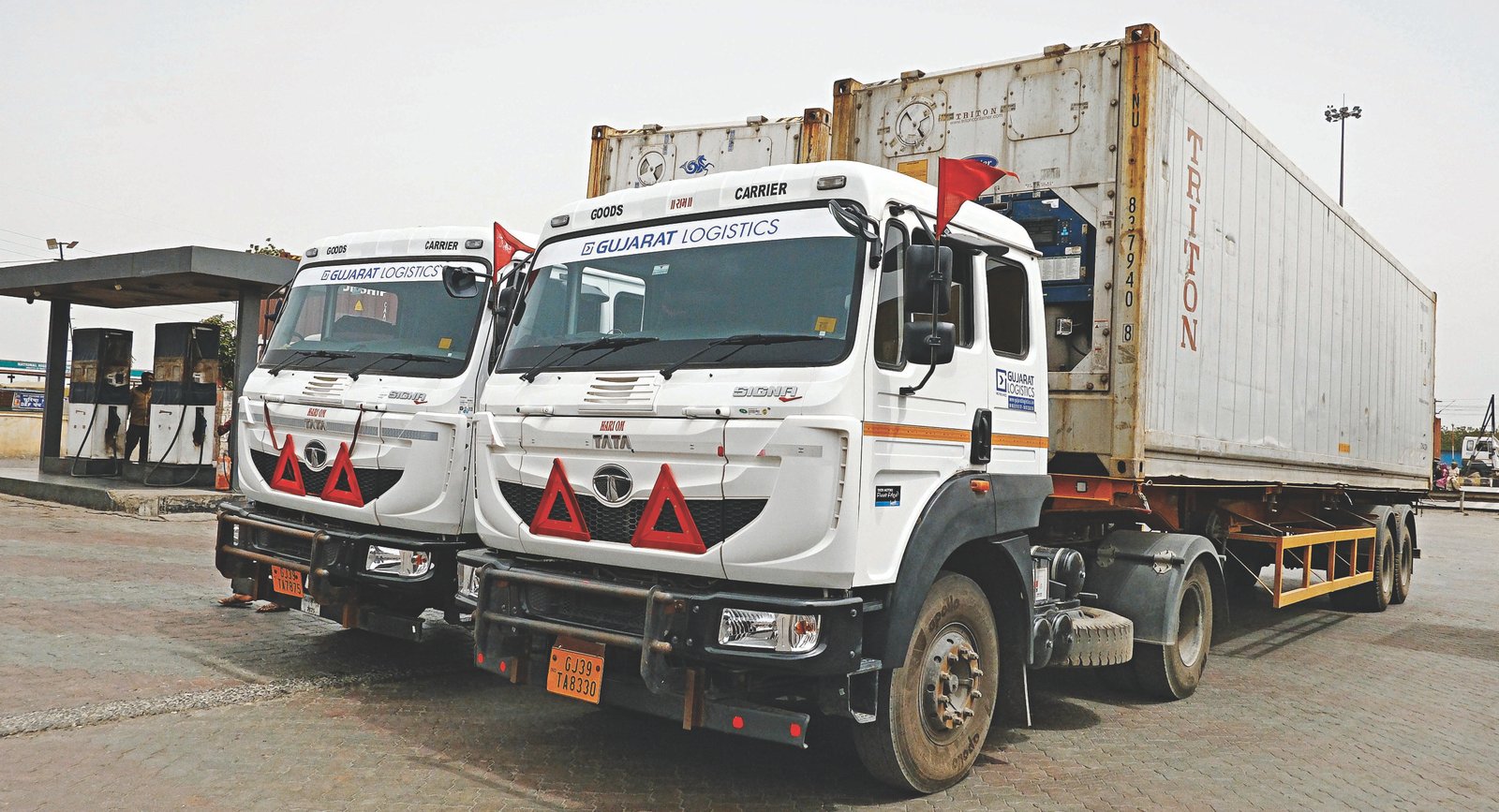
With a 320-vehicle fleet, around 8,000 TEUs handled monthly across its regional EXIM operations, and an ambition to reach 500 vehicles, Gujarat Logistics offers a ground-level view of India’s port-linked road transportation, Ashish Bhatia writes
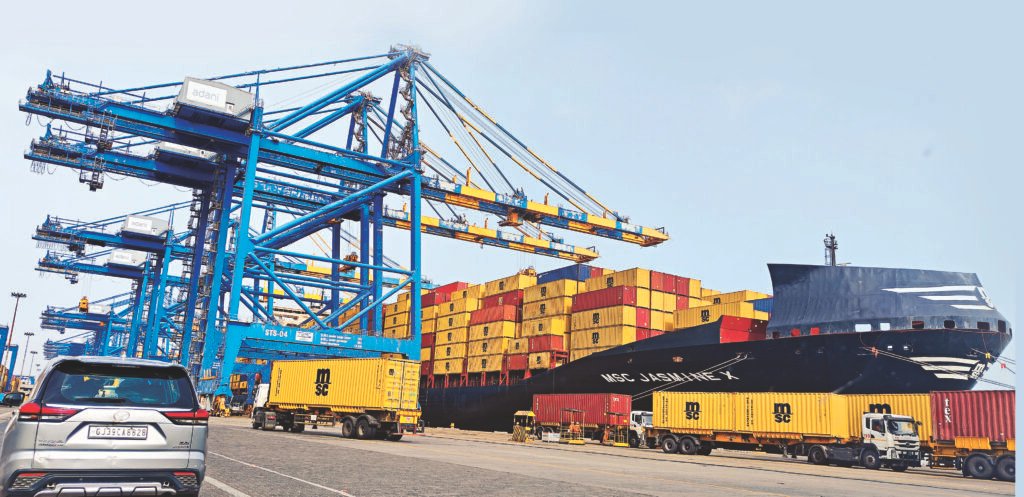
Having navigated both prosperous cycles and severe disruptions, Founder Partner Deepak Thakker brings a resilient, pragmatic outlook to Gujarat Logistics. A survivor of the 2001 Kutch earthquake, his approach reflects an ability to handle operational shocks and steer the business through changing market conditions. Across key logistics nodes like Gandhinagar, Gandhidham and Mundra, the company pairs established operational practices with modern telematics. This grounded approach bridges the gap between policy measures, infrastructure investments and the daily demands of fleet management. For large-scale transport providers, turning regional port infrastructure into consistent asset utilisation, reliable delivery times and viable margins remains the central objective. Serving Mundra Port, Kandla Port and the Ahmedabad Inland Container Depot (ICD), Gujarat Logistics illustrates how a regional EXIM specialist moves cargo efficiently. The firm traces its roots back to heavy steel transport in Kutch before scaling its fleet across major regional trade corridors.
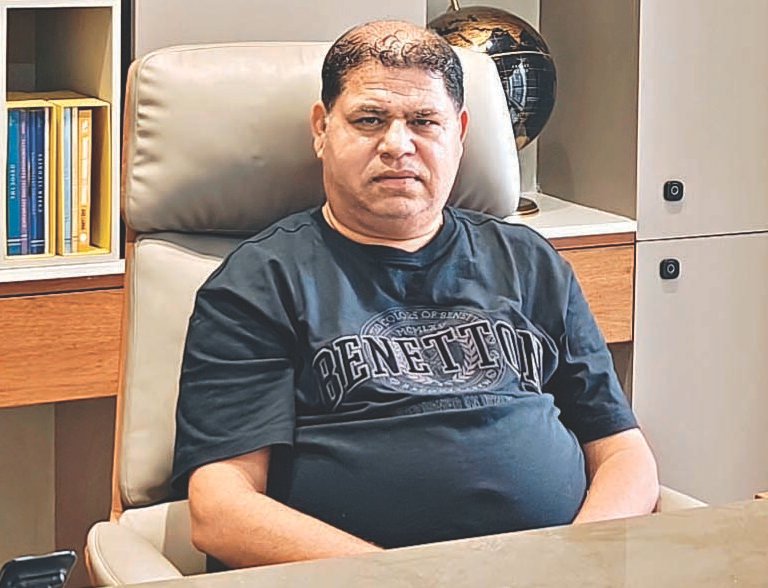
“ PEOPLE RELATIONS” REMAIN CENTRAL TO THE BUSINESS —- DEEPAK THAKKER, Gujrat Logistics
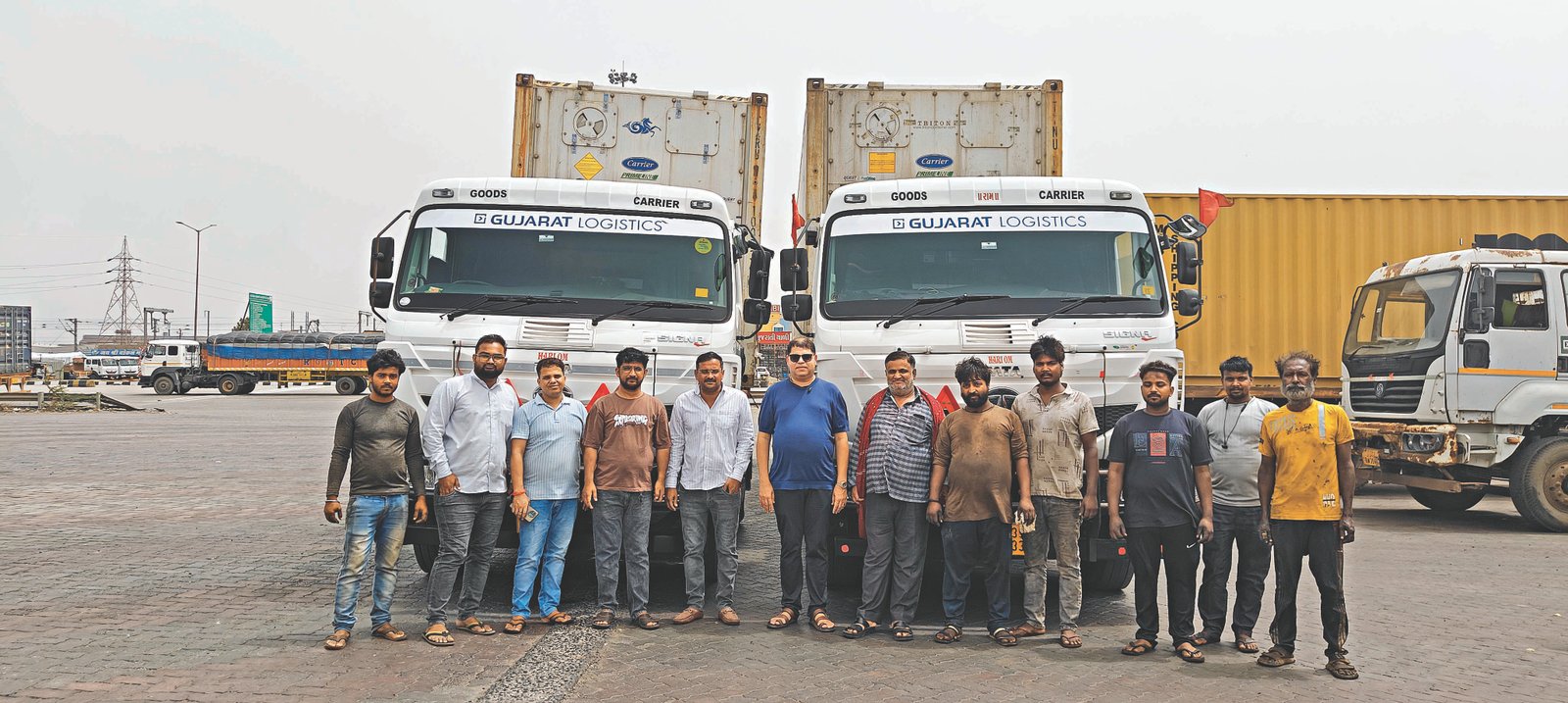
Founder Partner Deepak Thakker put the company’s operating fleet at 320 vehicles, with an estimated monthly throughput of approximately 8,000 Twenty-foot Equivalent Units (TEUs). The business remains focused on its regional EXIM corridors, with growth driven by opportunities rather than an assumption that fleet additions must follow a fixed annual schedule. The distinction matters in a sector where scale alone does not guarantee profitability. Fleet availability, maintenance discipline, fuel management, driver retention and the ability to respond to customer requirements increasingly determine operational performance.
Thakker traces the origins of the business to the industrial development that followed the 2001 earthquake in Kutch. He recalls how incentives and industrial investment contributed to the establishment of large steel plants in the region, creating demand for dependable transportation. The company began its journey in 2006, initially serving the steel sector before gradually building its fleet. Thakker recalls that the first 10 vehicles were acquired in 2007, with subsequent additions typically made in batches of 10 or 20 as opportunities emerged.
The business has retained its focus on heavy-duty tractor-trailer combinations. Its equipment mix accommodates 20-foot and 40-foot containers and different payload requirements, reflecting the operating needs of EXIM transportation rather than a broad-based, pan-India fleet strategy. The local ecosystem also offers a diverse cargo base. Thakker points to timber, salt, cement, lignite and coal-related industries alongside the two major ports, Mundra and Kandla. Gujarat Logistics’ containerised cargo mix includes recyclable waste paper, rubber scrap, polymers, chemicals, ceramics and tiles, engineering goods, textiles, machinery, pharmaceuticals, auto components, consumer products and agricultural commodities.
This variety helps spread exposure across industrial sectors, although demand continues to depend on production cycles, import-export activity and the scheduling of cargo movements. The company’s operating footprint is deliberately regional. It handles approximately 8,000 TEUs each month across its EXIM operations, according to its own data. That figure is best understood in the context of a domestic fleet operator serving established industrial and port-linked corridors, rather than as a measure of its participation in India’s overall container market.
KEEPING THE FLEET ON THE ROAD
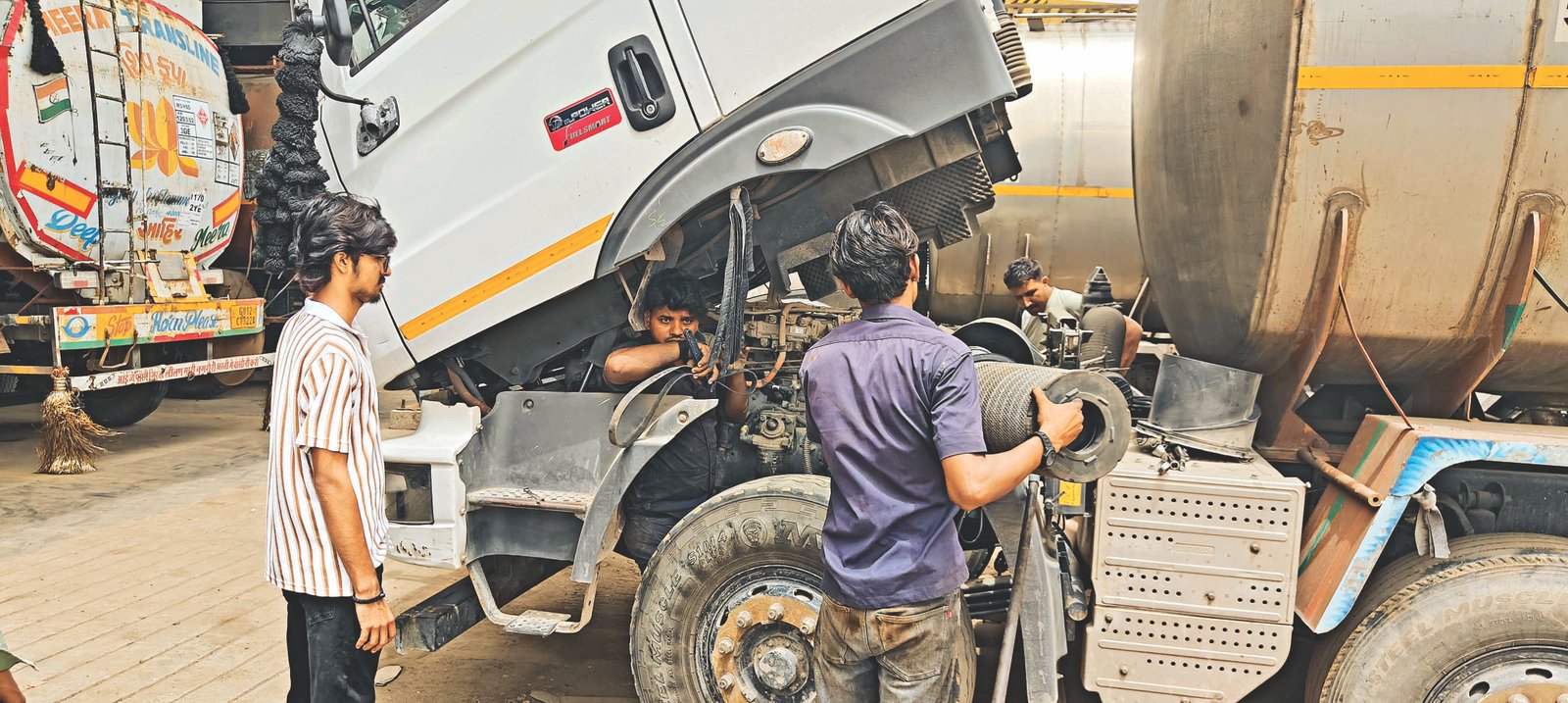
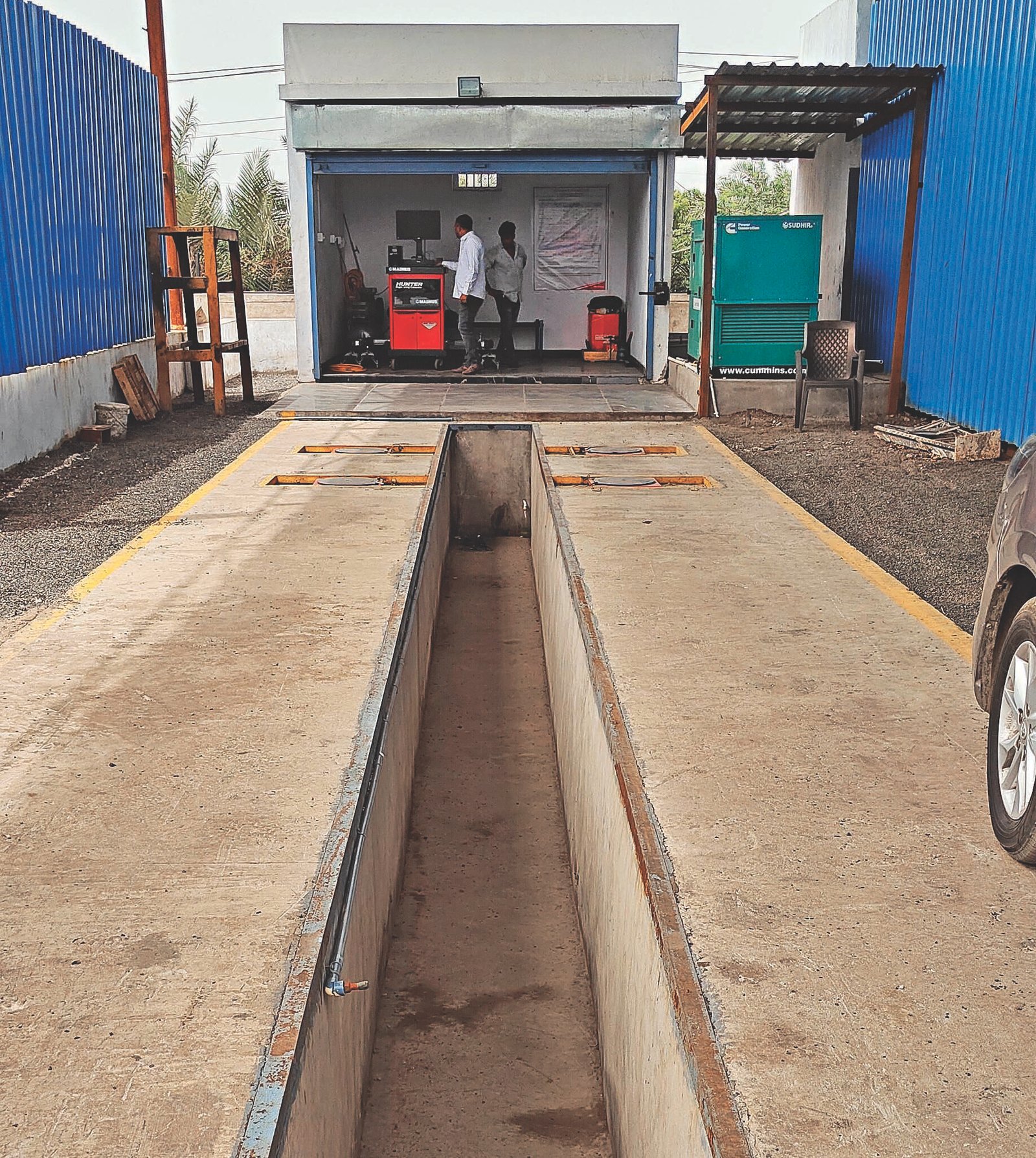
At the company’s workshop in the Samakhiyali area, in-house maintenance is central to controlling downtime. The facility supports routine servicing and mixed maintenance work, including mechanical repairs, engine overhauling and trailer-related maintenance. The company also operates a captive fuel facility and has introduced wheel-alignment capabilities. Thakker says the workshop can undertake work on approximately 20 trailers in a day, depending on the nature of the jobs. It has five to six workshop bays, in addition to an open working area.
A trailer arriving for maintenance is taken through a job-card process. A designated team member inspects the vehicle and records the work required, after which the maintenance team follows through on the repairs and updates the job status. The process is straightforward, but its operational significance is substantial. Downtime affects more than the cost of a workshop visit. It can disrupt a planned dispatch, compromise utilisation and leave the operator unable to meet a customer’s delivery window. The company also maintains a roadside-support arrangement for vehicles operating away from its base. Drivers can report breakdowns through designated contacts, allowing the team to follow up and send assistance. Thakker cites support across locations including Mundra and Rajkot, as well as outside Gujarat. For OEMs and component suppliers, the lesson lies in the relationship between product reliability and service response. The value of a tractor or trailer is ultimately realised over its working life, making spare-parts availability, accessible diagnostics and rapid repair support important contributors to total cost of ownership.
TECHNOLOGY ACROSS BRANDS
Gujarat Logistics’ adoption of GPS began early in its development. Thakker recalls experimenting with GPS devices around 2006, when telematics was far less established in mainstream fleet operations. Today, the company uses a centralised fleet-management approach, supported by GPS tracking, telematics and other vehicle-monitoring functions. It also retains access to OEM-provided telematics systems as a backup.
The transition to newer vehicle technologies, however, has created a different maintenance challenge. Thakker notes that the electronic content of trucks has increased considerably, with sensor-related faults sometimes affecting vehicle performance. Diagnostic laptops and software checks are now integral to fault-finding. He recalls that certain issues were more prominent during the initial BS-VI transition but says the incidence has reduced as manufacturers have improved their systems. The experience highlights how emission-compliant powertrains require workshops to build electronic diagnostic capability alongside traditional mechanical expertise.
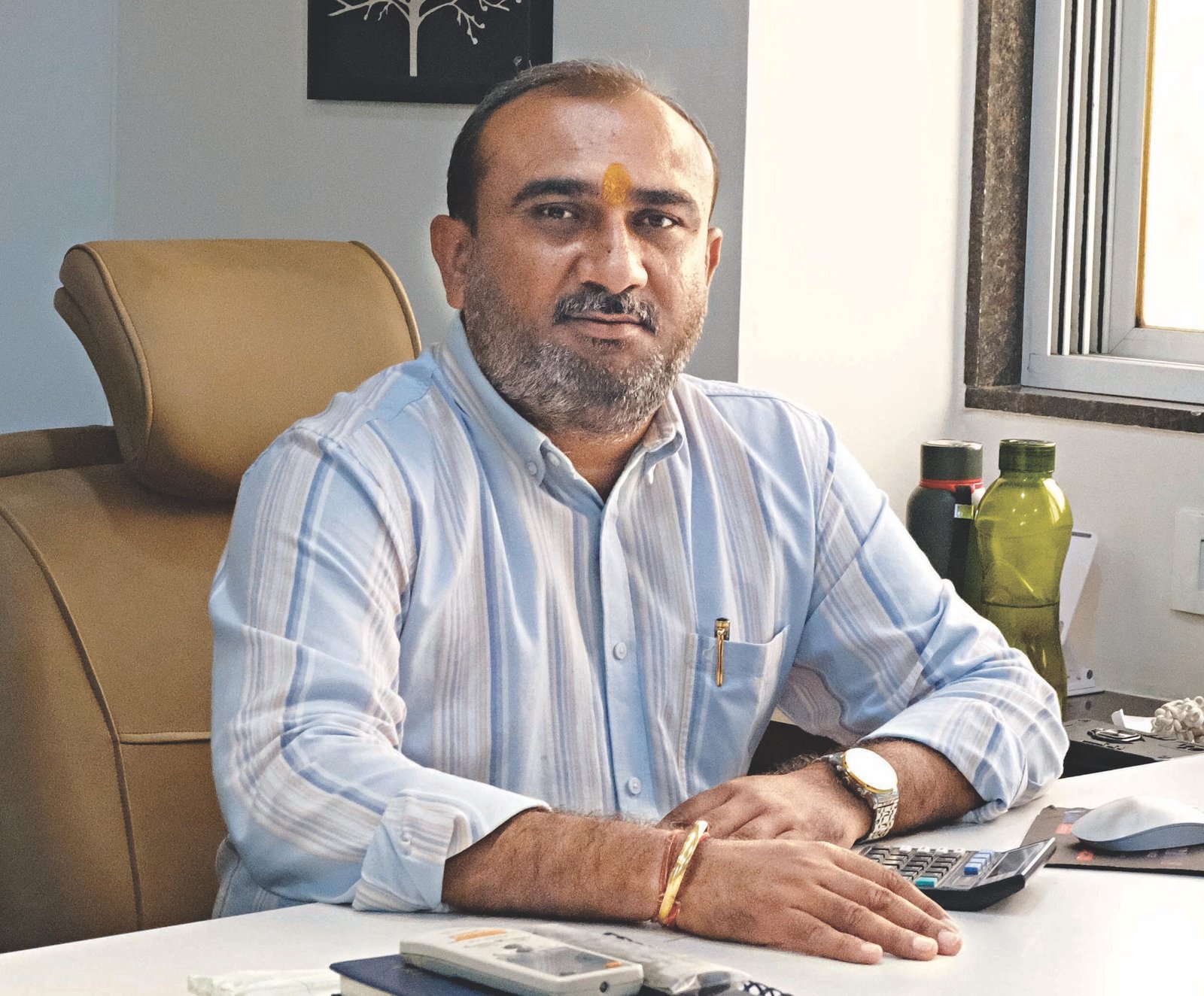
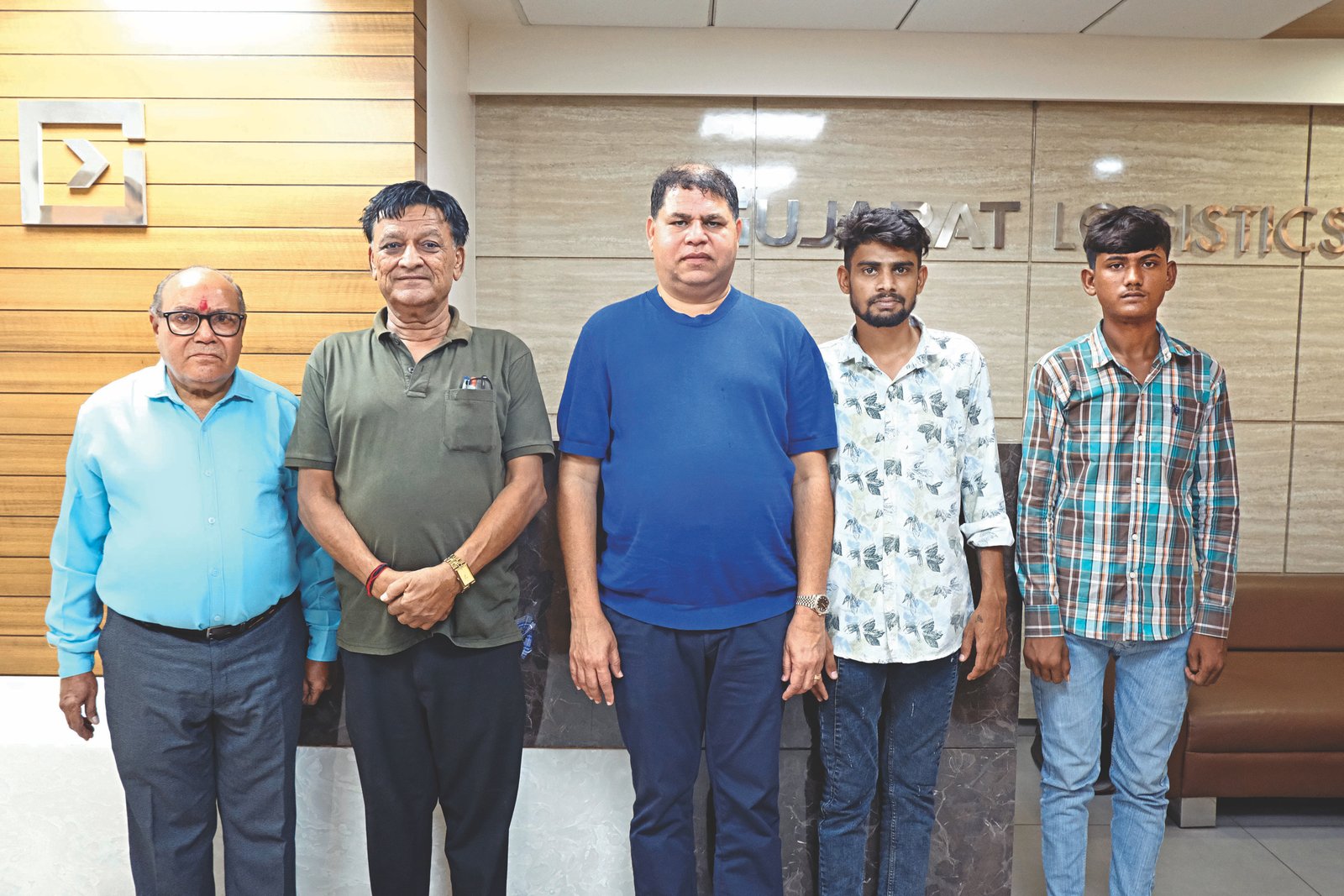
RAJESH MADHVI, Partner, Gujrat Logistics
A separate issue arises from the proprietary nature of OEM telematics systems. A multi-brand fleet may have to navigate different applications and data interfaces to obtain a consolidated operational picture. Thakker believes manufacturers should work towards a common application capable of bringing relevant information from different vehicle platforms together. For fleet operators, this would simplify monitoring and make it easier to interpret vehicle performance across brands. Interoperability would require alignment on interfaces, data access and security, but the underlying requirement is practical. Technology should help the operator make decisions, rather than create additional layers of administration.
The company’s emphasis on technology extends beyond fleet monitoring. Its little-known expansion into Diesel Exhaust Fluid (DEF) manufacturing through Aquadef Autochem LLP is a recent business milestone. Aquadef’s public product information describes its DEF as manufactured using purified technical-grade urea and ultra-demineralised water, with production aligned to the ISO 22241 standard. DEF is used in Selective Catalytic Reduction (SCR) systems on modern diesel vehicles to help reduce nitrogen oxide emissions. The company’s product and manufacturing claims are reiterated on the Aquadef Autochem website. For a transport operator working with increasingly sophisticated emission-control systems, this is a related diversification into an important consumable for the commercial vehicle ecosystem.
PEOPLE-CENTRIC OPERATING MODEL
Technology and maintenance systems can improve fleet availability, but they cannot replace the people who manage and operate the vehicles. Thakker repeatedly returns to employee and driver relationships as a defining feature of Gujarat Logistics. “People relations” remain central to the business, he says. The company has retained employees associated with it for close to two decades and, according to Thakker, maintained salary continuity during the COVID-19 disruption without stopping increments. It also provides medical support through hospital tie-ups, alongside insurance and assistance to employees’ families when needed.
Driver welfare is an equally important part of the equation. Thakker estimates that the local Kandla market faces a driver shortage of around 20 per cent. This is his assessment of the regional market, not a national industry estimate. He attributes the company’s comparatively better experience to personal relationships and a willingness to respond to drivers’ needs. During the pandemic, when highway hotels and roadside services were disrupted, the company arranged food and ration support at regular intervals. It also has hospital arrangements for accident cases, including serious injuries. These practices illustrate how driver retention becomes an operational strategy. An unavailable driver can leave a vehicle idle even when the equipment is serviceable, and cargo is ready to move. Conversely, dependable support can help a fleet maintain continuity during disruption. The challenge extends beyond individual companies. Better rest facilities, safe parking, healthcare access, structured training and clearer career progression are essential if commercial driving is to become a more attractive long-term occupation.
THE COST OF MOVING CARGO
Operating margins remain under pressure as fuel, tyres, maintenance, insurance, tolls, finance costs and driver wages rise. Freight rates do adjust contrary to them remaining stagnant for long, as per contrarian claims, Thakker explains, but the adjustment can lag behind changes in expenses. The company’s captive fuel facility and in-house maintenance help manage selected costs, but they cannot insulate the business from broader price movements.
The national picture reinforces the importance of fuel management. The Department for Promotion of Industry and Internal Trade’s September 2025 Report on Logistics Cost Assessment in India identifies fuel as 42.1 per cent of total costs in its road-transport cost breakdown. This is a national assessment rather than a Gujarat Logistics-specific cost structure, but it illustrates why changes in diesel prices have a material effect on the economics of road freight. Against this background, Gujarat Logistics supports the recently introduced transparent Fuel Adjustment Factor (FAF) linked to published diesel prices. The objective is to provide a more consistent method of adjusting freight charges when fuel costs change.
Thakker sees the principle as useful but points to a practical constraint. It can be difficult for an individual transporter to secure acceptance from every customer. He believes broader industry adoption, potentially supported by government intervention, would help make cost adjustments more transparent. The wider implication is that freight rates need to reflect the cost of maintaining reliable and compliant transport capacity. If the revenue generated by a vehicle persistently trails its operating costs, investment in newer equipment, technology, maintenance and driver welfare becomes harder to sustain.
A MEASURED EXPANSION APPROACH
Gujarat Logistics’ growth ambitions remain substantial, but selective. Thakker says the target is to increase fleet capacity to around 500 vehicles over the next decade. He also makes clear that expansion will depend on business conditions and opportunities. Some periods may call for consolidation, while others may justify adding vehicles in larger batches. This approach reflects the capital-intensive nature of the business. Acquiring additional vehicles is only one part of expansion. The operator must also provide working capital, maintenance capacity, trained drivers, dispatch support and adequate systems to manage the larger fleet. The company’s expectations of OEMs are therefore closely tied to lifecycle economics. It seeks better fuel efficiency, dependable vehicles, lower maintenance costs, longer service intervals and faster availability of spare parts.
On the policy side, Thakker called for continued investment in highways, truck parking and driver rest areas, alongside rational toll policies and improved logistics digitisation. Cleaner powertrains are another consideration. Gujarat Logistics recognises the direction of travel towards lower-emission mobility but emphasises the need to balance environmental objectives with vehicle acquisition costs, financing and infrastructure readiness. The company sees potential for electric trucks under a Guaranteed Cost Contract-like model if this can provide predictable operating costs, assured uptime and attractive financing. Fixed-route port transportation may offer suitable applications, subject to reliable charging infrastructure and operational performance. The point is not that every fleet can transition at the same pace. Rather, new technologies must demonstrate commercial viability within the duty cycles, payload requirements and operating conditions in which they will be deployed.
THE ROAD AHEAD
For operators such as Gujarat Logistics, port infrastructure creates opportunities, but it does not remove the need for disciplined execution on the road. Vehicle availability, workshop capacity, driver retention and commercial terms still determine whether the potential of a corridor becomes reliable freight movement. Thakker’s account points to a business that has grown by combining incremental fleet additions with in-house maintenance, early technology adoption and close working relationships. Its next phase will test whether these foundations can support a larger fleet without losing the operational discipline that helped build it. The target of 500 vehicles remains the stated ambition. Reaching it will depend not just on adding tractors and trailers, but on ensuring that every additional asset has the people, support systems and commercially viable work needed to keep it moving. In the journey from the industrial clusters of Kutch to the port gates of Mundra and Kandla, the fleet is the link between infrastructure and execution. Gujarat Logistics’ experience underlines why that link remains central to India’s EXIM competitiveness.