

From the first motorised carriages to buses, trucks, vans and electric long-haul transporters, a day at the Mercedes-Benz Museum in Stuttgart revealed how the evolution of mobility has been inseparable from the evolution of everyday life, Ashish Bhatia writes.
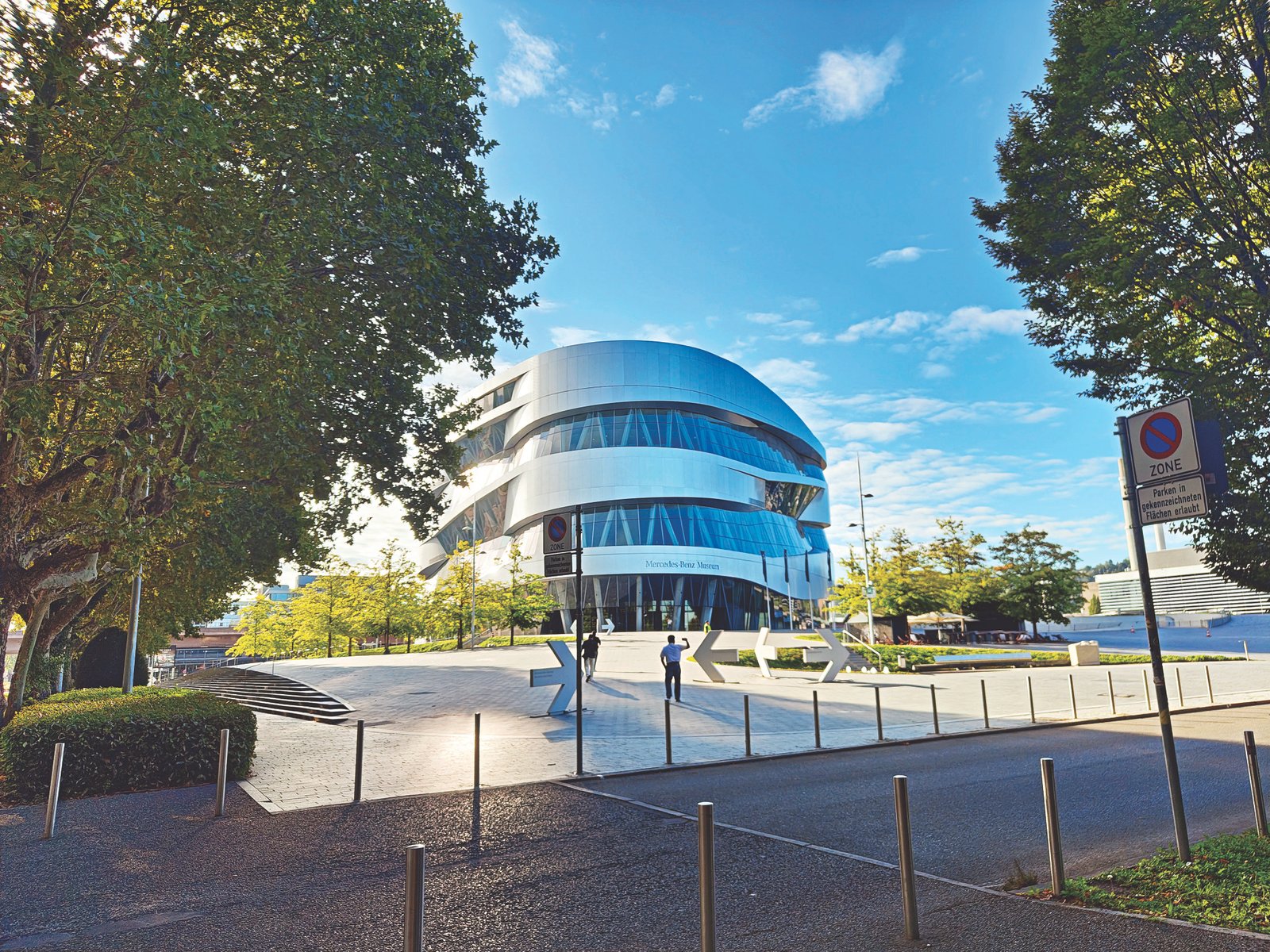
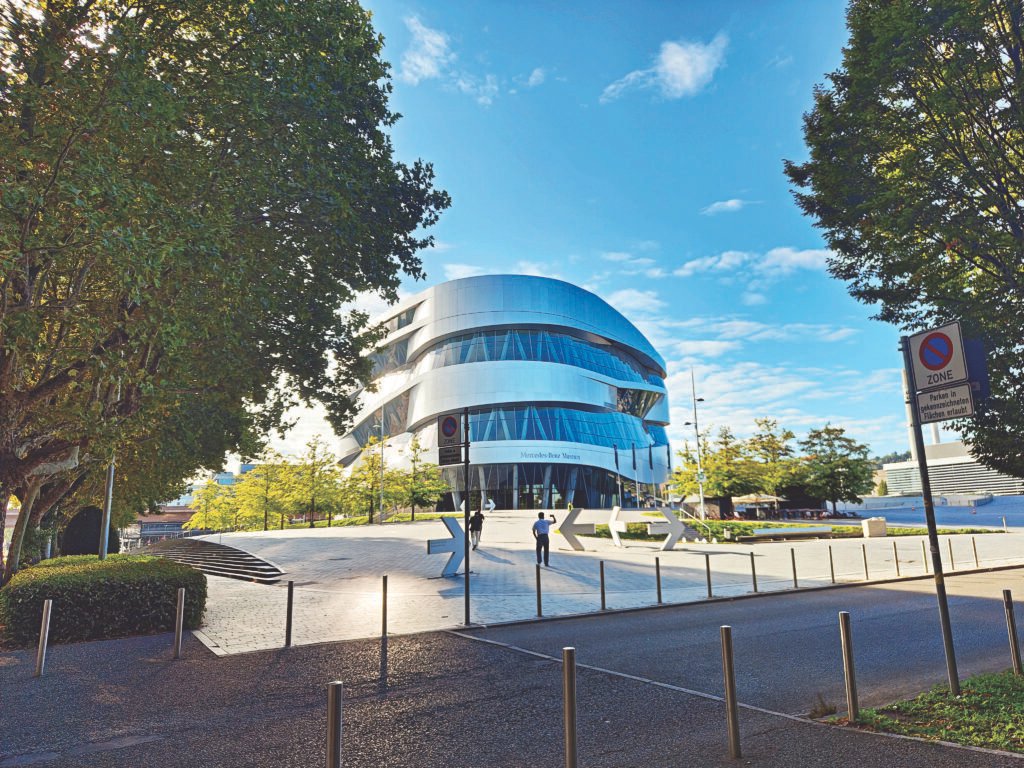
Stuttgart city wears its automotive heritage. The walk towards the Mercedes-Benz Museum begins before the iconic structure itself comes into view. An early autumn morning in Stuttgart, the unusually hot start to the day with leaves having begun to change colour. Every footstep on the pavement offers a quieter introduction to a city whose name has become synonymous with the automobile. There is something fitting about arriving on foot at a place dedicated to the machines that transformed how humanity moves. Each step brings the visitor closer to an institution built around an idea that began 140 years ago.
The possibility of freeing personal transportation from the limitations of the horse and carriage. Stuttgart is not a city where Mercedes-Benz exists only on museum signage or showroom walls. Its presence is woven into the everyday landscape. The Mercedes-Benz Arena, now known as the MHPArena, stands as another reminder of the city’s sporting and industrial identity. A peek from the window of the hotel room overlooking the arena leads to the surrounding roads that tell their own story. After I thought staying in Pune Chakan MIDC on the shopfloor accommodation was novel, this one takes the numero uno spot. Mercedes-Benz cars move alongside buses, vans and commercial vehicles, while the three-pointed star appears with such familiarity that it becomes part of the city’s visual vocabulary.
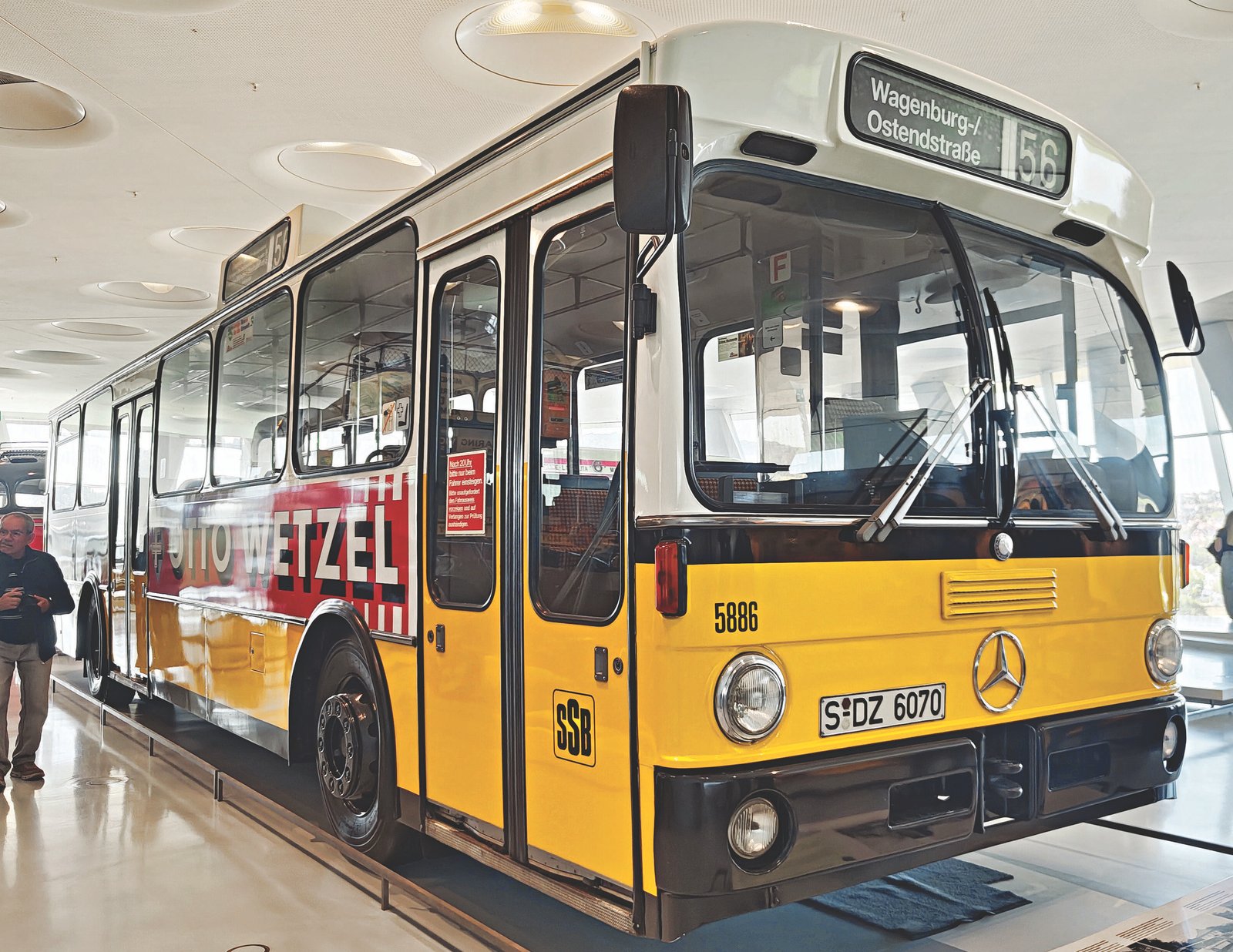
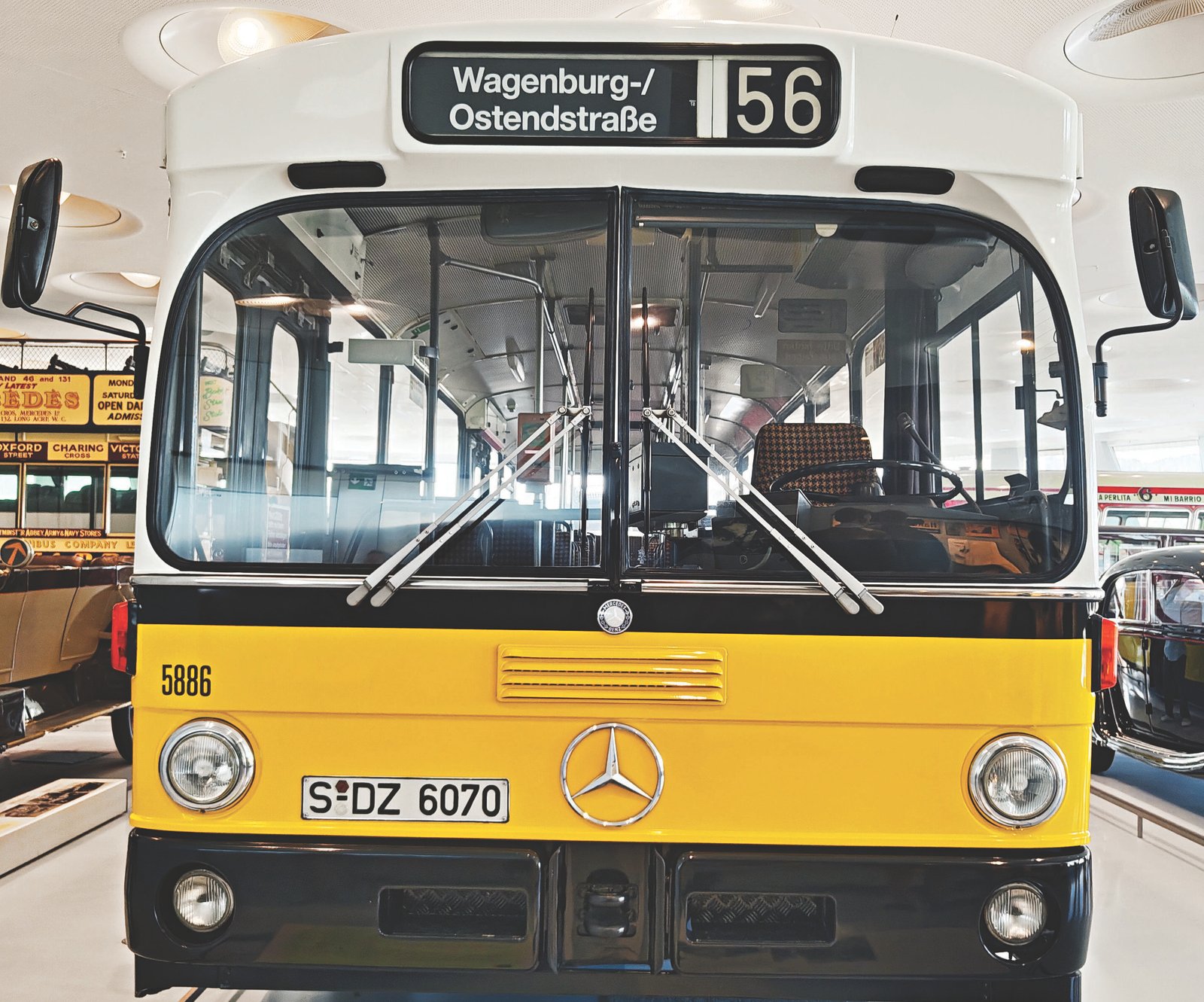
Look beyond the private cars, however, and a more revealing picture emerges. Buses carry commuters towards work. Delivery vans serve neighbourhood businesses. Trucks keep factories and retailers supplied. The vehicles may be unremarkable to the people who use them every day, but together they represent the practical legacy of automotive engineering. It is this connection between invention and everyday life that makes the journey to the Mercedes-Benz Museum particularly compelling. The destination is not simply a collection of beautiful machines. It is a repository of how vehicles became part of the infrastructure of modern society.
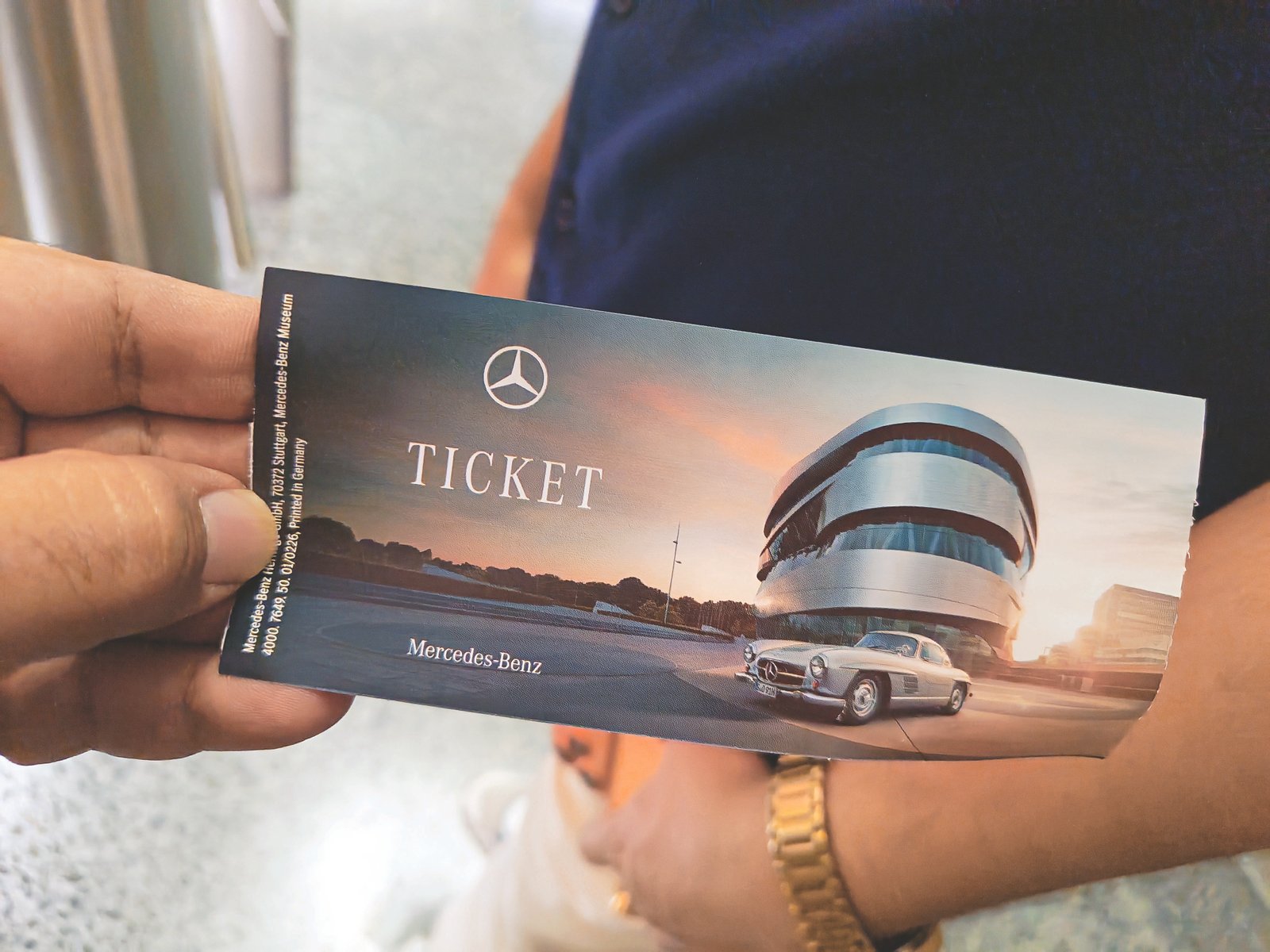
Opened in May 2006, the visit in 2026, two decades after its inauguration, coincides with the 20Th Anniversary Issue. When the stars align! The Mercedes-Benz Museum is an architectural statement in its own right. Its flowing structure, designed by UNStudio, draws inspiration from the double helix of DNA. The concept is more than a striking visual device. The interweaving routes through the building connect the evolution of the automobile with the diversity of vehicles and technologies that emerged around it.
The museum’s collection brings together passenger cars, commercial vehicles, racing machines and technological exhibits. Rather than treating history as a straight line of increasingly sophisticated products, it places vehicles within the wider circumstances that shaped their development. That approach is important because the history of the automobile is often told through luxury, speed and design. Those are essential parts of the story, but they are only part of it. Motorisation also changed how goods reached markets, how people travelled between communities, how emergency services operated and how businesses organised their activities. The museum makes these connections tangible. Its exhibits show how an invention initially associated with experimentation and novelty gradually became an essential tool of economic and social progress.
The names behind that transformation are as important as the machines. Carl Benz and Gottlieb Daimler pursued their work independently, developing different solutions to the challenge of powered mobility. Wilhelm Maybach became another defining figure in the engineering story, while Emil Jellinek helped establish the Mercedes name through his close involvement with Daimler-Motoren-Gesellschaft and his promotion of its vehicles. Their achievements were not the work of isolated visionaries alone. Engineers, craftsmen, factory workers, designers, drivers and customers helped turn experimental machines into products that could be built, operated and improved.
fFROM THE FIRST CAR TO THE BUSINESS OF MOVING GOODS
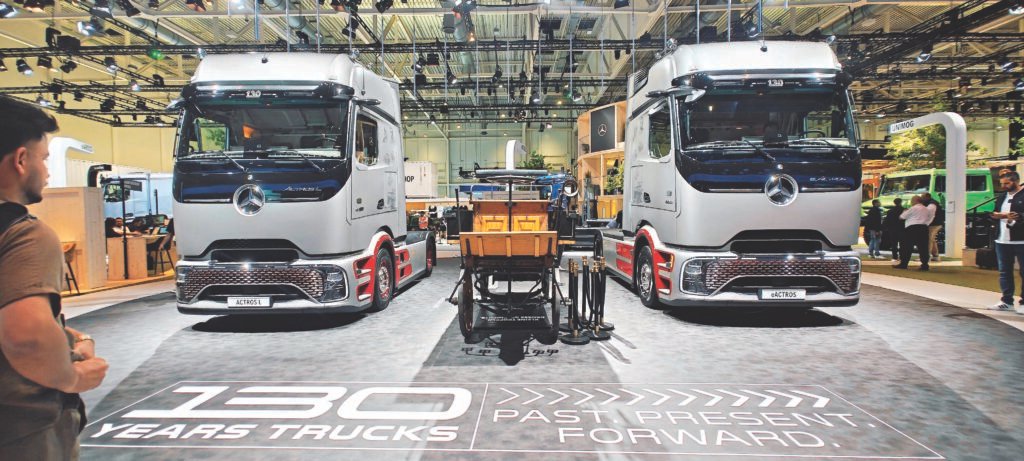
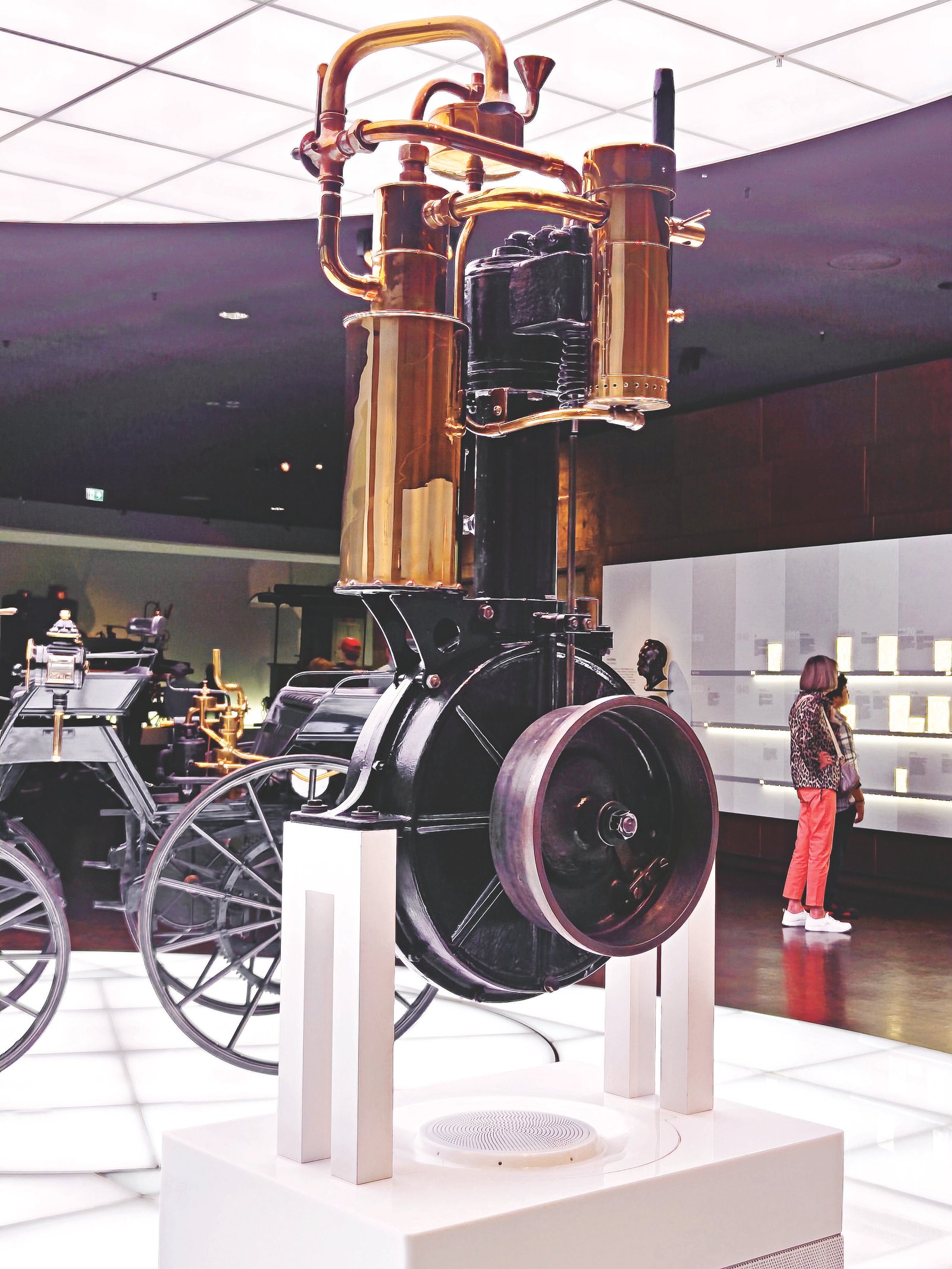
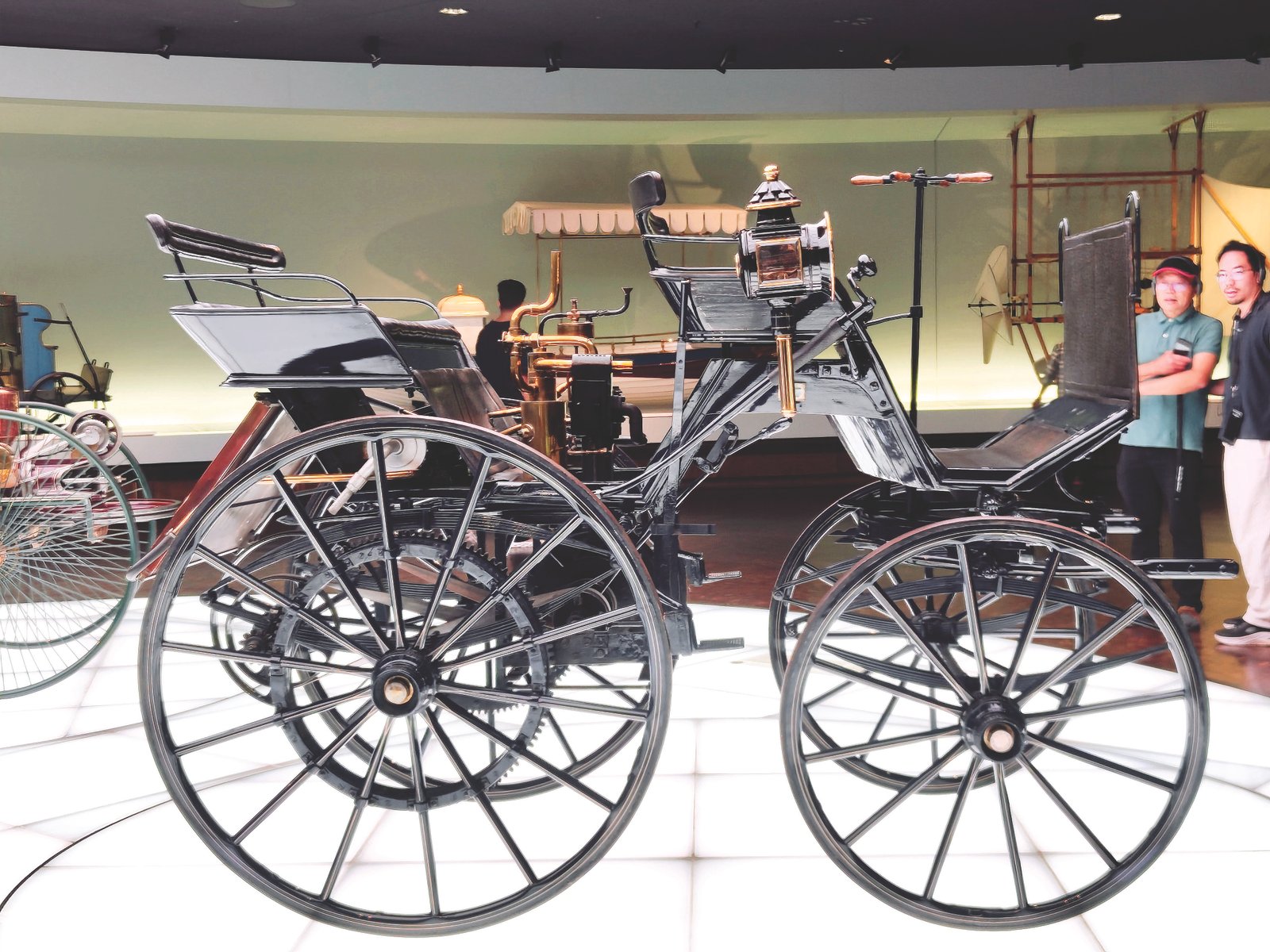
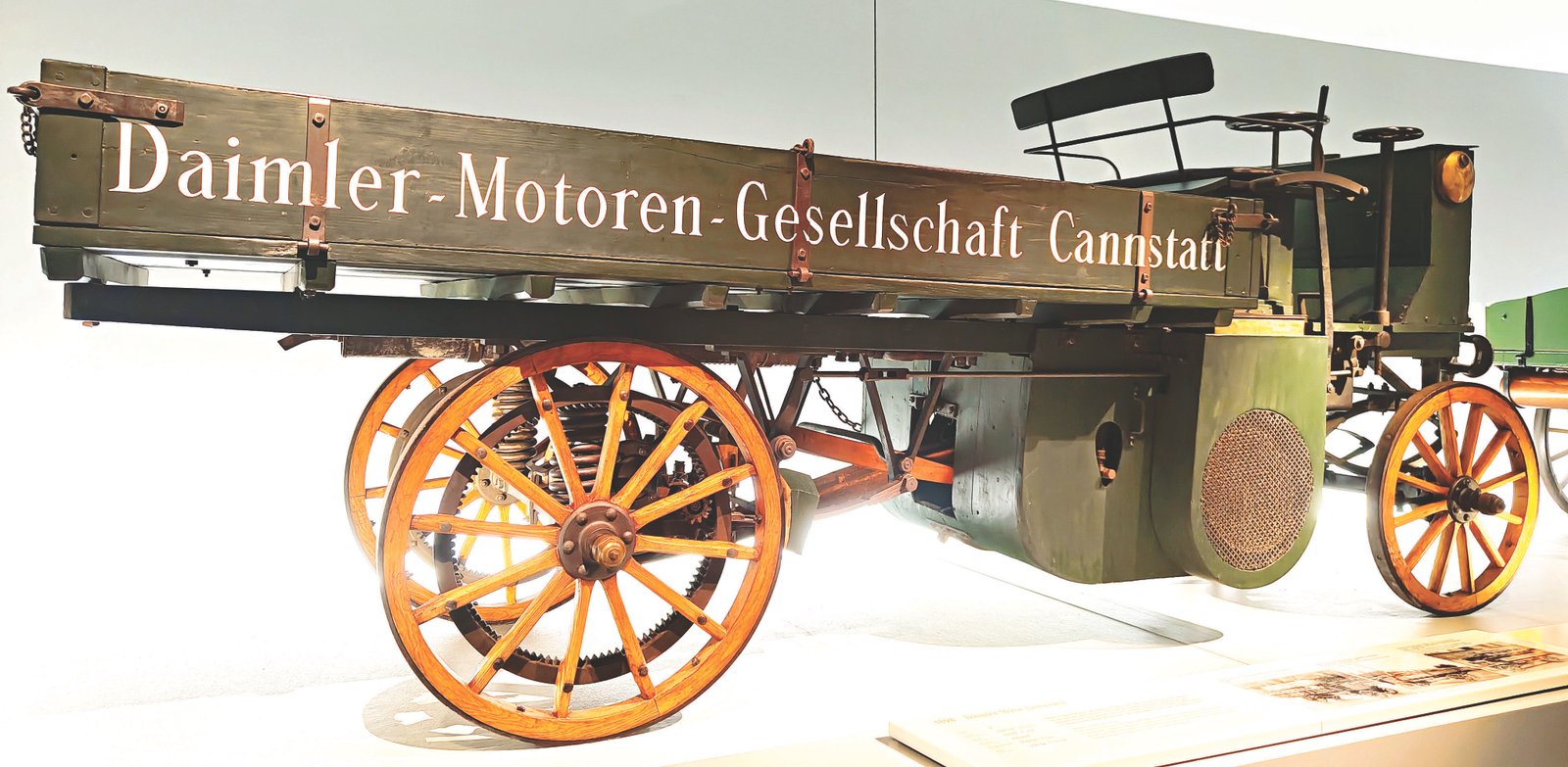
In 1886, Carl Benz patented his three-wheeled Patent-Motorwagen, while Gottlieb Daimler developed a motorised carriage. These machines marked a turning point in the history of transportation, demonstrating that the internal-combustion engine could provide a new means of personal mobility. Yet the significance of motorisation extended beyond the private automobile almost immediately. If an engine could move a person, it could also move tools, materials, produce and manufactured goods. The commercial possibilities were enormous. In 1896, the story took a decisive turn. Carl Benz sold a motorised van, while Gottlieb Daimler delivered a motorised truck. These early commercial vehicles were rudimentary by modern standards, but they established a principle that remains fundamental to logistics.
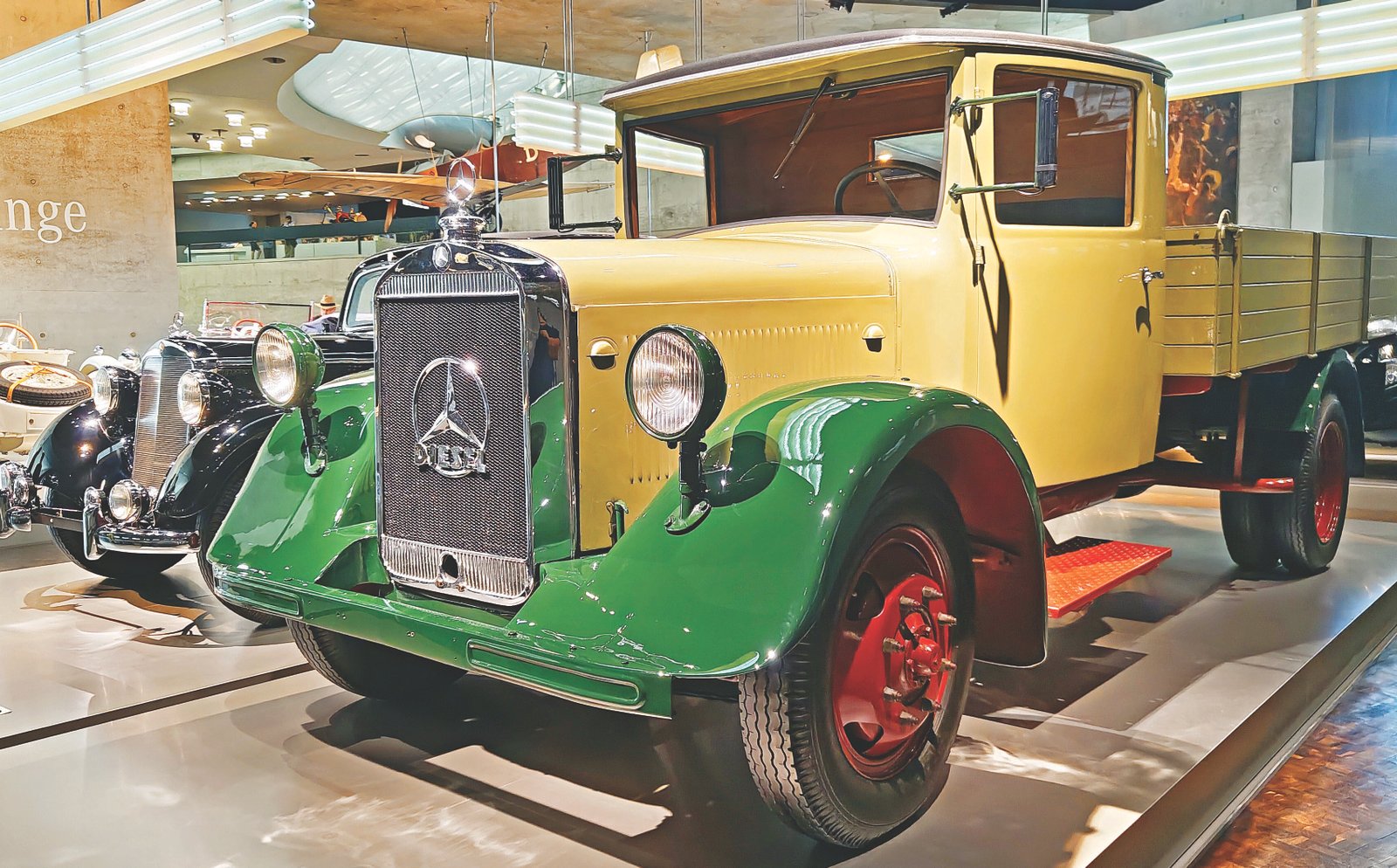
Mechanised transport could make the movement of goods more flexible and less dependent on animal power. The implications reached well beyond the vehicles themselves. Businesses could begin to reconsider delivery routes, operating schedules and the relationship between production and distribution. Goods could travel directly to customers or trading points without relying exclusively on railways, waterways or horse-drawn transport for the final leg of a journey. The last mile as we know it today. As industries expanded, the truck became a working instrument of economic development. Its role in construction, agriculture, manufacturing and urban supply grew steadily. Commercial vehicles became the link between factories and markets, farms and towns, ports and warehouses. The museum’s 130-year commercial-vehicle showcase brings this often-overlooked history into focus. It reminds visitors that the development of the van and truck was not a secondary chapter in automotive history. It was one of the foundations of modern transport and logistics.
THE PEOPLE MOVERS
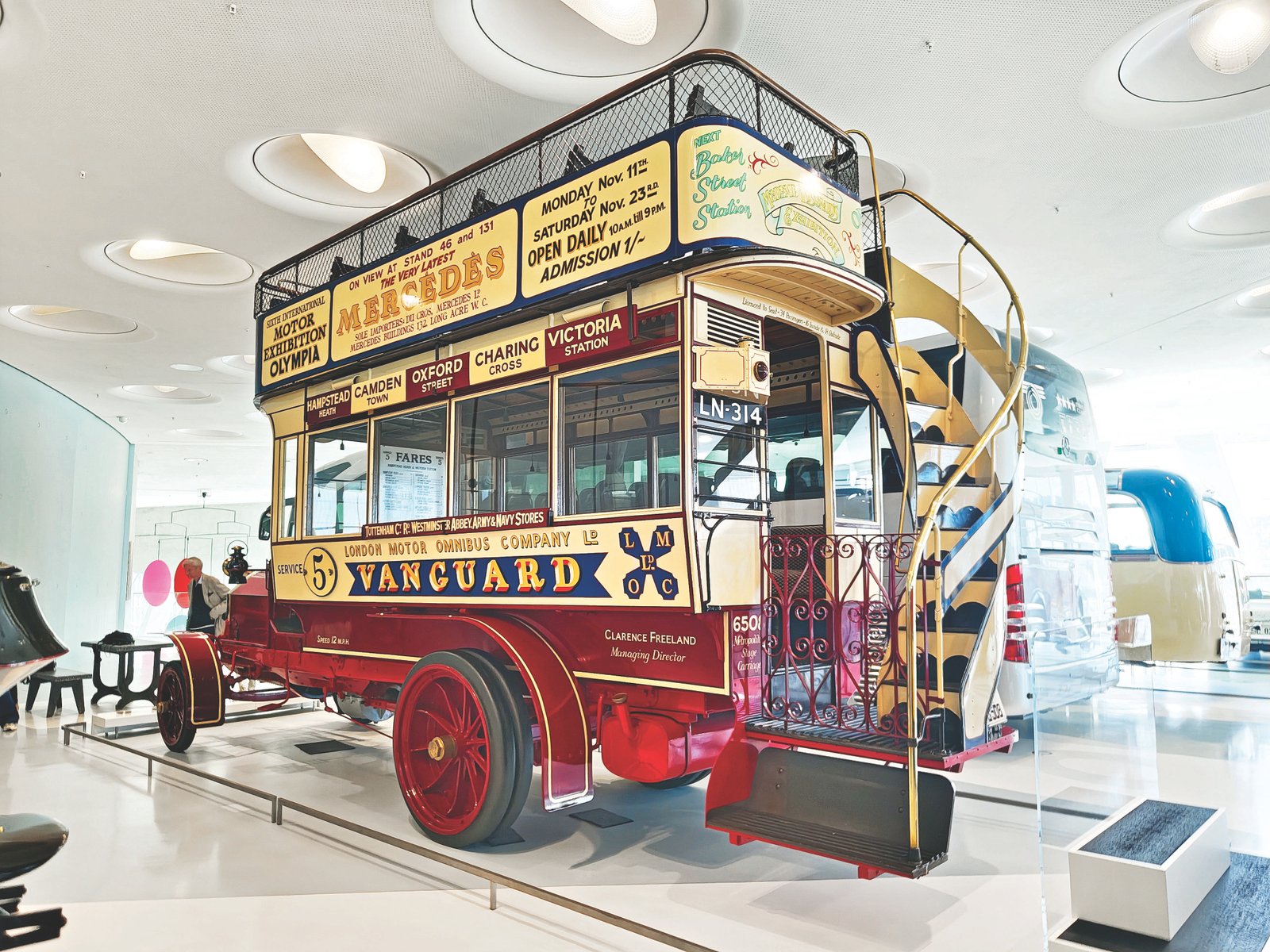
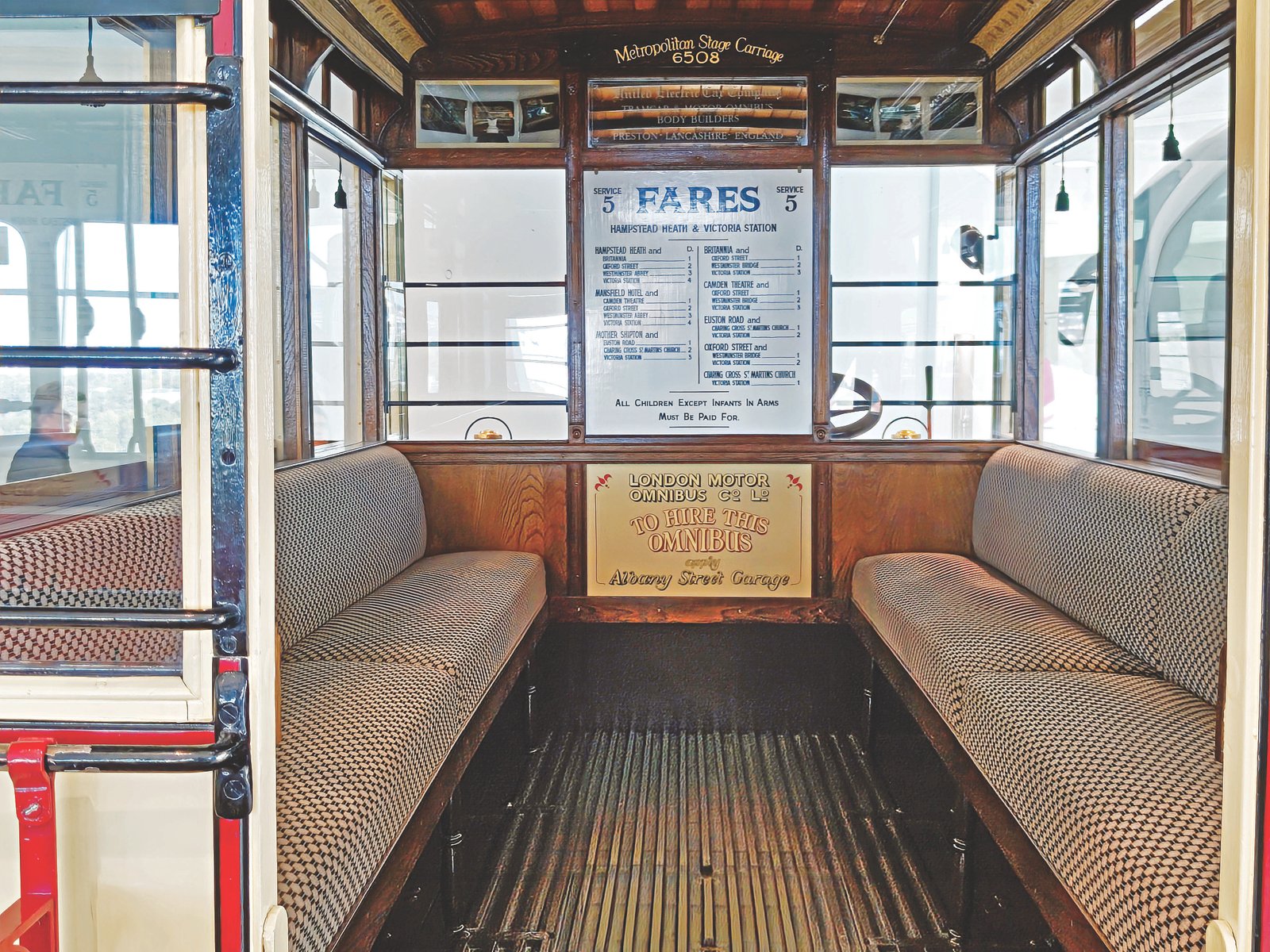
The evolution of passenger transport followed a similarly practical path. The private car offered individual freedom, but cities and growing economies also needed vehicles capable of moving groups of people efficiently. Buses helped answer that need. Their development was shaped by changing urban populations, the expansion of public transport networks and the demand for vehicles that could operate reliably throughout the day. Over time, advances in engines, chassis construction, passenger access, seating and body design helped make buses more suitable for increasingly demanding operating conditions.
The Mercedes-Benz O 319 panorama bus, displayed in the museum’s commercial-vehicle anniversary exhibition, recalls an era when compact buses and vans became companions to post-war economic expansion. Vehicles of this kind could support tourism, group travel and business transport while serving needs that fell between the private car and the full-sized bus.
The larger urban bus represented another important step. The Mercedes-Benz O 305, an example of the standard-service bus generation that emerged in the late 1960s, reflected the value of standardisation in public transport. A bus was no longer simply a motorised vehicle with seats. It was a working component of a wider system, expected to serve regular routes, accommodate repeated passenger movements and remain dependable over years of operation. Standardised designs could make production, maintenance and fleet management more consistent. For transport operators, those considerations were just as important as performance or appearance.
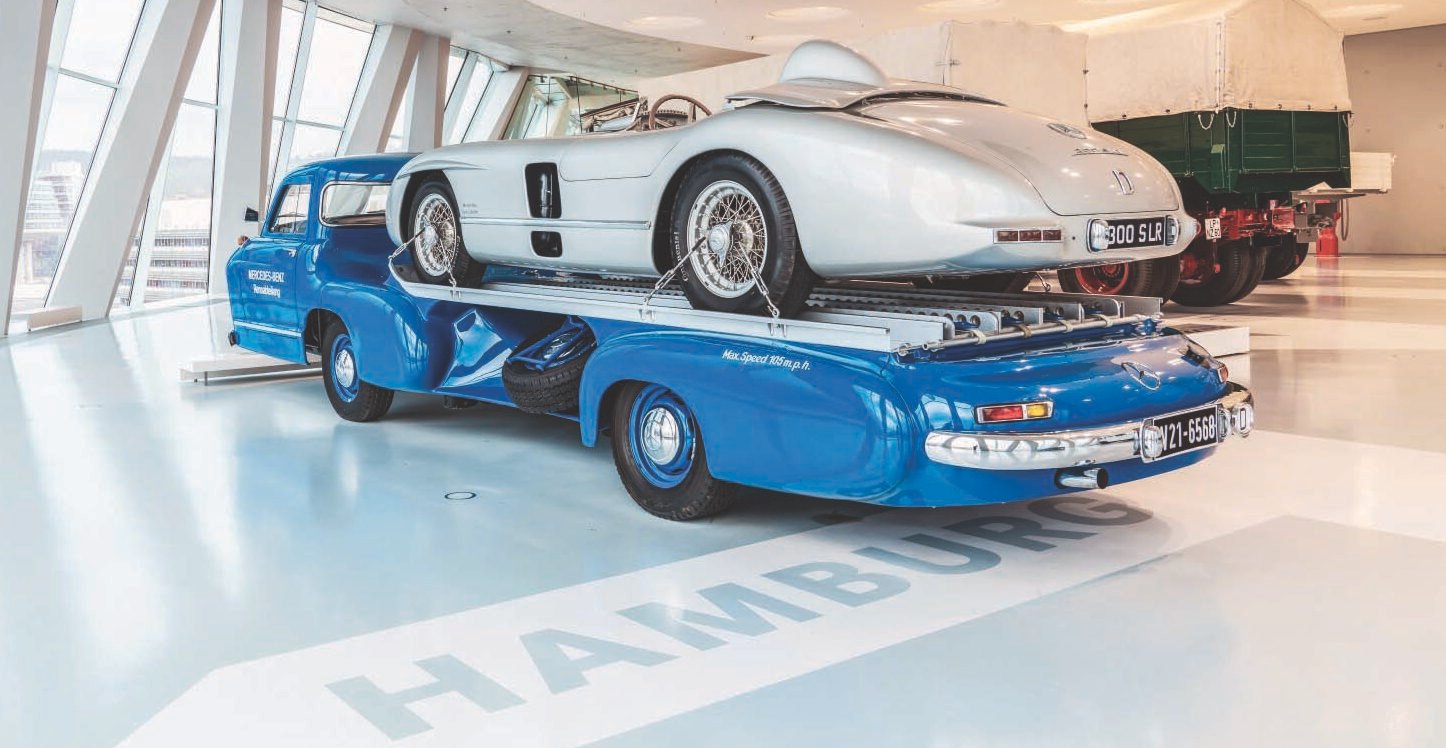
The same principle applies to commercial vehicles more broadly. The most influential innovations are often those that improve daily operations without drawing attention to themselves. Not every vehicle in the museum was designed simply to serve a regular transport requirement. Some reveal what happens when engineers are encouraged to challenge the boundaries of a conventional vehicle category. The Blue Wonder is a striking example. Built in the 1950s for Mercedes-Benz’s motorsport activities, the distinctive blue racing-car transporter combined the visual drama of a sports car with the practical purpose of carrying competition machinery. Its reported top speed of around 170 kmph was extraordinary for a vehicle performing a transport role. The Blue Wonder showed that a transporter did not have to be a compromise between load-carrying ability and performance. It was conceived around a specific operational need of getting valuable racing cars to the circuit quickly and in suitable condition. Its engineering and styling reflected the close relationship between motorsport and the wider automotive business.
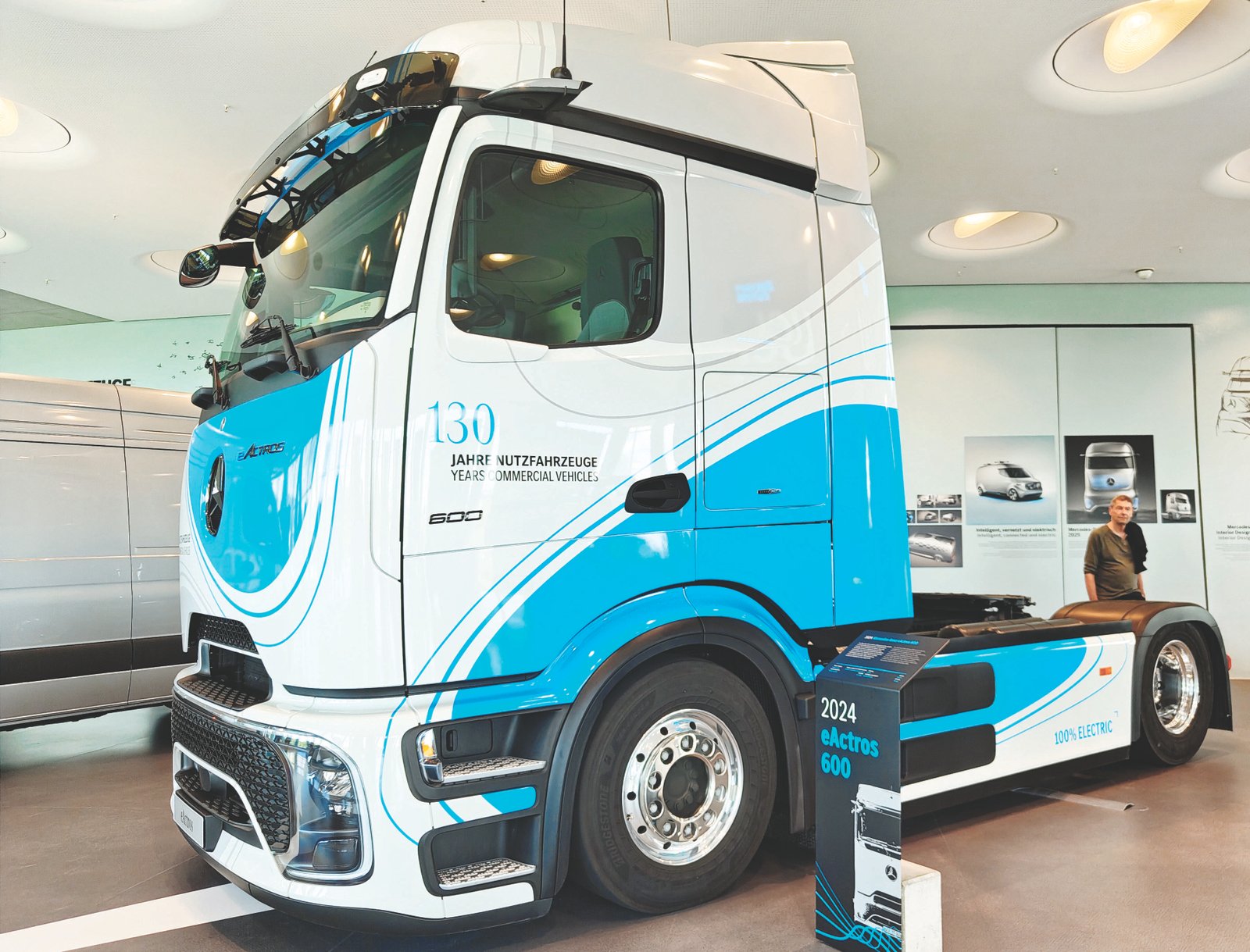
Other exhibits tell a different story of innovation. The Mercedes-Benz Sprinter, launched in 1995, became influential enough to lend its name to an entire category of large vans. Its legacy reflects how a vehicle can shape expectations of a segment, serving tradespeople, delivery businesses, passenger transport operators and specialist applications. Today, the transition continues with battery-electric commercial vehicles. The eSprinter brings electric propulsion into urban logistics and service operations, while the eActros 600 demonstrates how battery-electric
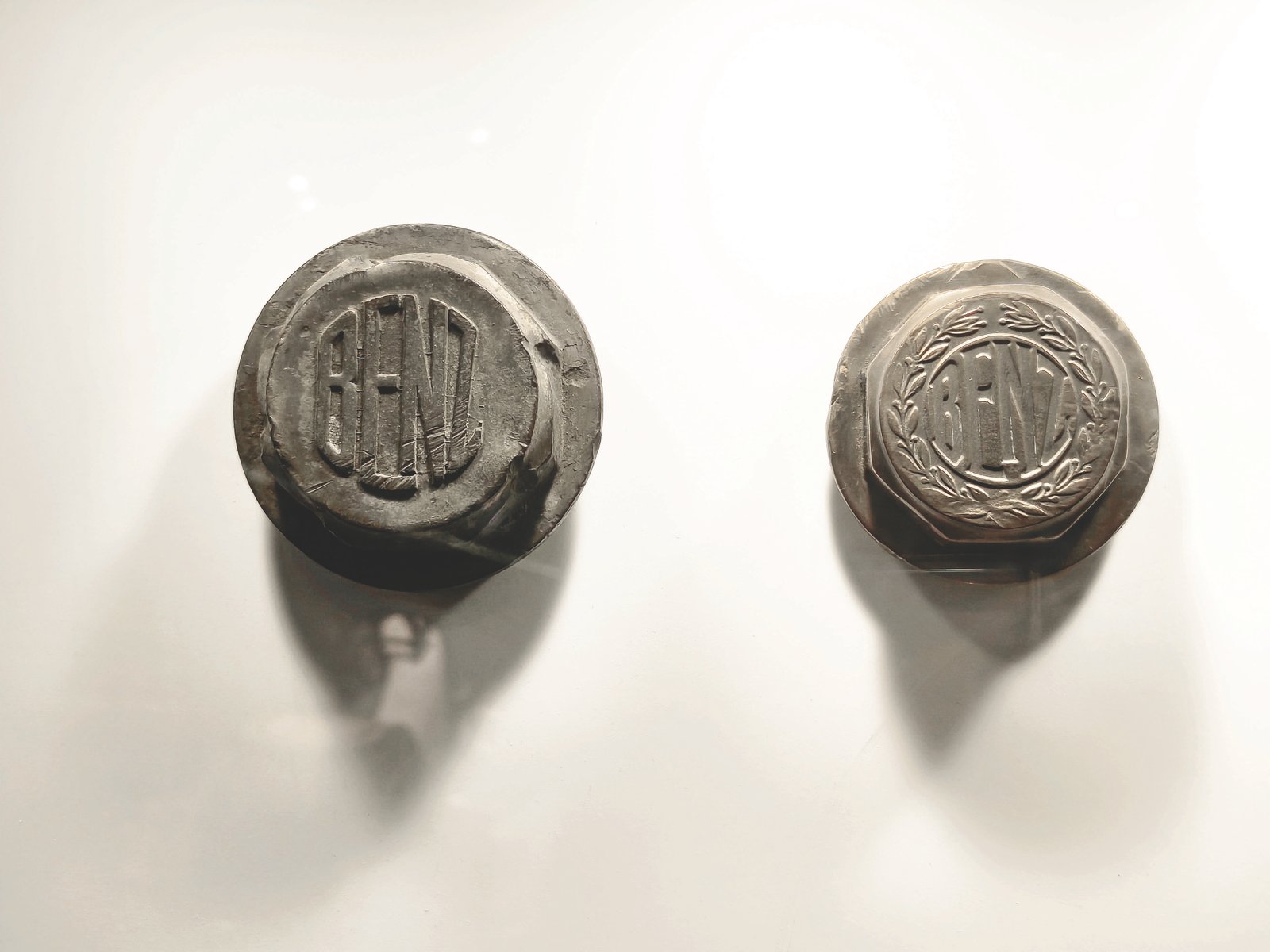
The three-pointed star was discovered as a symbol with a wider ambition. Among the most recognisable emblems in the automotive world, but its origins reach beyond branding. Daimler’s sons, Paul and Adolf, adapted the star associated with their father, Gottlieb Daimler, for use as a company symbol. Daimler-Motoren-Gesellschaft applied for trademark protection in 1909, and the three-pointed star began appearing on Mercedes vehicles from 1910. Its three points came to represent the ambition to use Daimler engines on land, on water and in the air. The emblem’s evolution reflects the changing identity of the business. In 1916, the star appeared within a circular design. Preparations for the merger of Daimler-Motoren-Gesellschaft and Benz & Cie. brought the two companies’ visual identities together in 1925, combining Daimler’s star with the laurel wreath associated with Benz. Following the merger in 1926, the Mercedes-Benz brand and its emblem became a shared expression of their engineering heritage. The logo is more than a decorative detail on a radiator, steering wheel, wheel caps or grille. It carries the story of two pioneering companies whose separate journeys converged.
PAST FORWARD
Leaving the museum, the visitor returns to the same Stuttgart streets encountered on the way in. The city has not transformed during the visit, yet the vehicles moving through it look different once their history is understood. A delivery van is no longer just a van. It belongs to a lineage that began when motorised transport first demonstrated its potential to move goods beyond the limitations of animal power. A city bus becomes part of a long effort to make collective mobility practical, dependable and accessible. A heavy truck represents the continuing challenge of moving essential goods efficiently while adapting to new expectations around energy and emissions. The people behind the wheel are part of that story, too. Their journeys connect the museum’s historical exhibits with the present-day demands of work, family life, trade and travel. That is the enduring meaning of Daimler Past Forward as the foundation for the next journey.